Russian
7 Common Causes of Electric Scissor Lift Wear and Tear: Load Management Mistakes That Ruin Equipment
Electric Scissor Lift Wear and Tear: Key Causes and Prevention Strategies
Electric scissor lifts are designed to handle specific weights—no more, no less. However, a 2024 IPAF report reveals that 43% of electric scissor lift premature failures are due to load management mistakes. This makes improper load management the second-most common cause of breakdowns (after operator habits). These mistakes typically impact the lift’s structural and hydraulic systems, leading to bent arms, leaky cylinders, and burned-out motors. Many of these mistakes are accidental (e.g., miscalculating total weight), but they’re easily preventable with proper training and tools. Below, we break down the seven most costly load management errors and how to fix them.
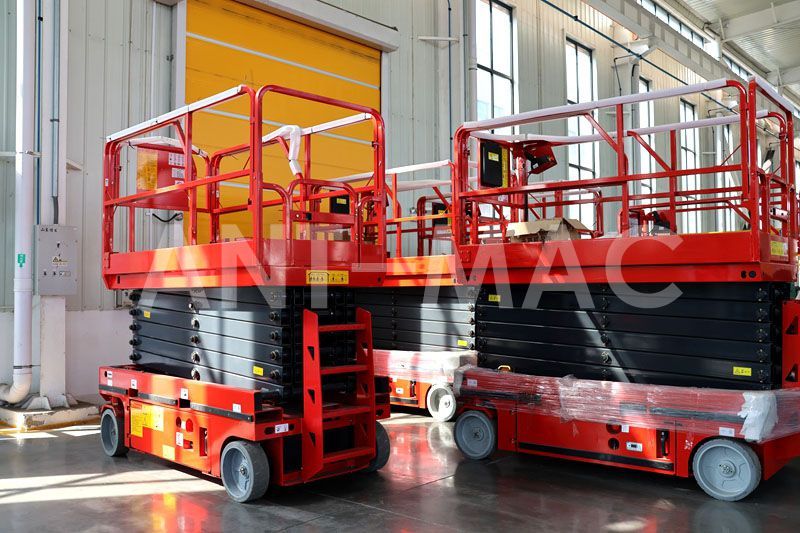
Key Causes of Electric Scissor Lift Wear and Tear (Load Management)
1. Chronic Overloading (Even Small Amounts)
Most operators understand the importance of not exceeding the lift’s rated capacity by 100 lbs or more, but 38% of operators admit to regularly overloading by 50–100 lbs to “finish the job faster,” according to IPAF. This seemingly minor overloading adds constant strain to the scissor arms and hydraulic system. Over time, the steel frames bend permanently, causing the platform to tilt. Additionally, the hydraulic cylinders wear out from increased pressure.
A study by JLG found that lifts overloaded by just 50 lbs have 35% shorter lifespans than those operated within capacity. This is a major cause of electric scissor lift wear and tear and often goes unnoticed.
To avoid overloading, consider investing in wheeled scissor lifts or track-mounted scissor lifts designed for heavy-duty operations.

2. Uneven Load Distribution (Weight on One Side)
Even when staying within weight limits, placing all weight on one side of the platform can create unbalanced loading. For instance, placing a heavy toolbox on the left edge forces one set of scissor joints to bear 70–80% of the weight. Over time, this accelerates the wear on bushings and bearings.
OSHA reports that 22% of scissor lift stability incidents are caused by uneven loading, making this a safety risk as well as a contributor to electric scissor lift wear and tear.
To maintain balance, always center the heavy items on your scissor lift platform. Additionally, investing in a truck-mounted boom lift can help manage larger, more cumbersome loads.
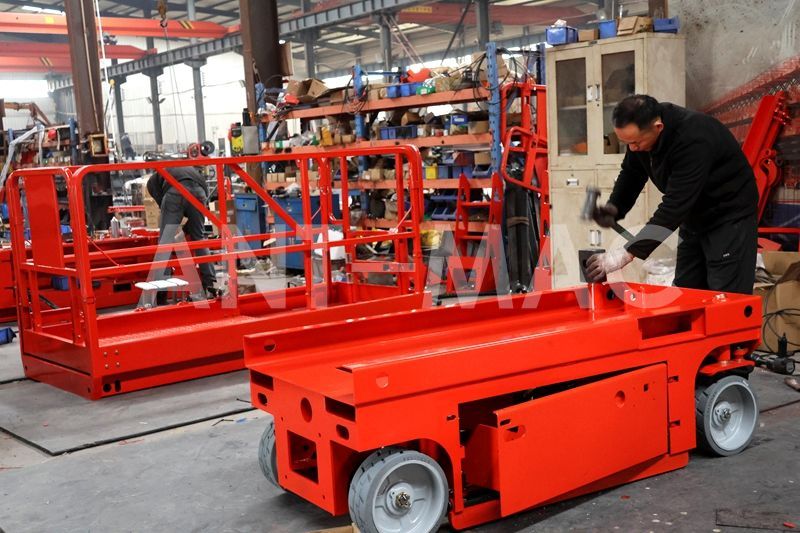
3. Dynamic Loading (Adding/Removing Weight Mid-Elevation)
Adding or removing tools, materials, or personnel while the lift is elevated is a dangerous mistake. According to Construction Dive, 41% of operators do this to “save time.” Dynamic loading creates sudden stress on the scissor mechanism and hydraulic system.
For example, dropping a 50-lb tool bag mid-elevation sends shockwaves through the system, bending pivot pins and cracking hydraulic hoses. A 2024 LiftWorks study found that dynamic loading causes 27% of scissor arm repairs.
To avoid this, ensure all weight is stable before raising the platform and consider upgrading to a towable boom lift, which offers greater control over loads.
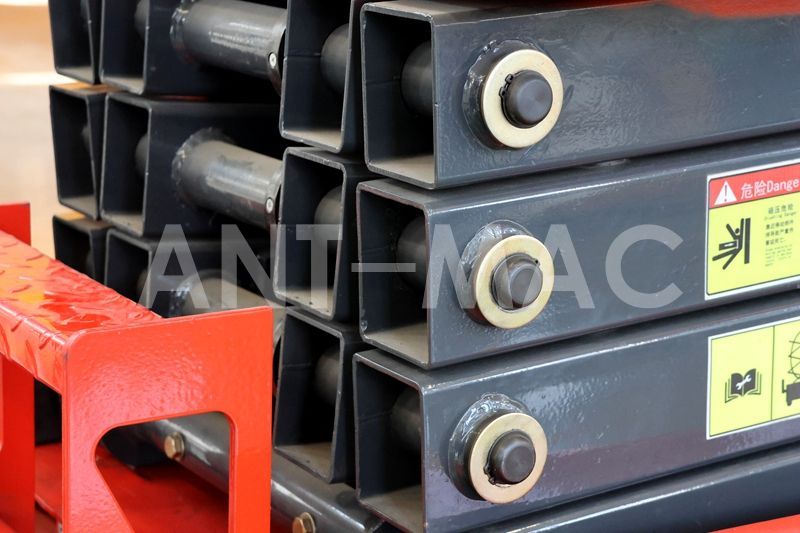
4. Ignoring “Hidden” Loads (Tools, Fuel, and Accessories)
Operators often neglect to account for “hidden” loads like tools, fuel for equipment, or even water bottles. These can add 100–200 lbs to the platform, pushing it over capacity.
A 2024 survey by Construction Equipment Magazine found that 52% of overloading incidents are due to unaccounted-for hidden loads.
To avoid this mistake, operators should keep track of all materials and tools—consider using a scissor lift with a built-in load calculation tool or post a checklist on each lift.
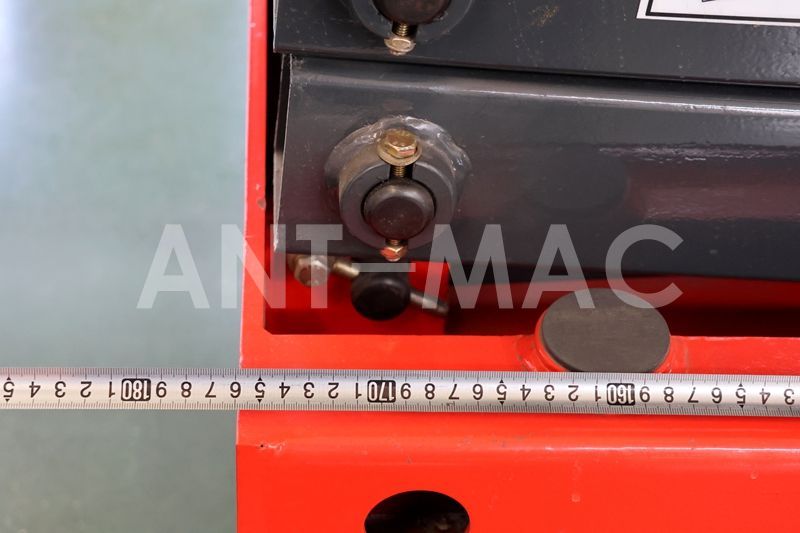
5. Using the Platform as a “Crane” (Lifting Loads from the Ground)
Some operators use the lift’s platform to pick up loads from the ground, like lowering the platform to hook onto a pallet. This is strictly prohibited by manufacturers but is still done by 29% of operators, according to IPAF.
This misuse of the platform creates a “moment force” that bends the scissor arms and damages the hydraulic cylinders.
To avoid this, always place loads on the platform before elevating. If you're handling heavy lifting, consider using a boom lift, which is designed for lifting loads from the ground.
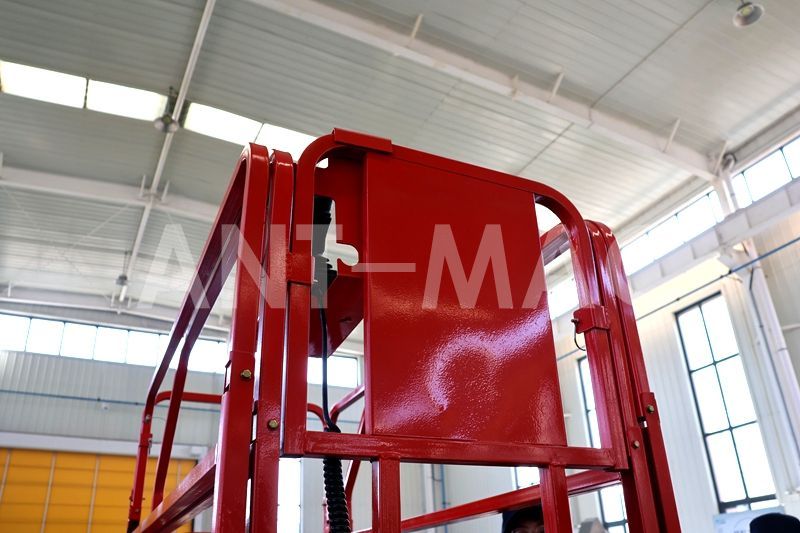
6. Overloading the Guardrails (Leaning or Hanging Loads)
Guardrails are designed for fall protection, not load-bearing. However, 36% of operators lean against them or hang tools from them. Leaning against a guardrail creates lateral force on the platform’s frame, which weakens the connection to the scissor arms.
A 2024 Caterpillar study found that guardrail overloading is responsible for 15% of platform frame repairs.
To prevent this, ensure that all operators are aware that the guardrails are not for supporting tools or leaning.
7. Miscalculating Capacity for Sloped Surfaces
Electric scissor lifts are rated for flat surfaces. When used on a slope (even small ones of 5–10 degrees), the lift’s capacity is reduced by 20–30%.
61% of operators ignore this, leading to scissor arm strain and hydraulic system damage.
To mitigate this risk, post slope capacity charts on each lift and train operators to check surface angles before loading.
Prevention Strategies to Fix Load Management Mistakes
Reducing electric scissor lift wear and tear from load management mistakes requires training, visual aids, and monitoring.
Load Calculation Training: Teach operators how to calculate total weight (personnel, tools, accessories) and encourage the use of portable scales.
Visual Cues: Mark weight distribution zones on the platform and use bright stickers to remind operators not to add loads mid-elevation.
Load Monitoring Technology: Install digital load sensors on lifts to alert operators when capacity is exceeded. Some lifts integrate with fleet management software to track incidents.
Slope Capacity Charts: Post slope capacity charts and train operators to use a level tool to check surface angles before loading.

Conclusion
Load management mistakes are a leading cause of electric scissor lift wear and tear, but they’re easily preventable with training and basic tools. By teaching operators to calculate total weight, avoid dynamic loading, and respect slope capacities, you can extend your lift’s lifespan by 50% and reduce maintenance costs by 40%. Remember, proper load management isn’t just about safety; it’s about protecting your equipment investment and preventing premature failure.
 Ant Aerial Work Platforms Push
 Antmac 40m Truck Mounted Aeria
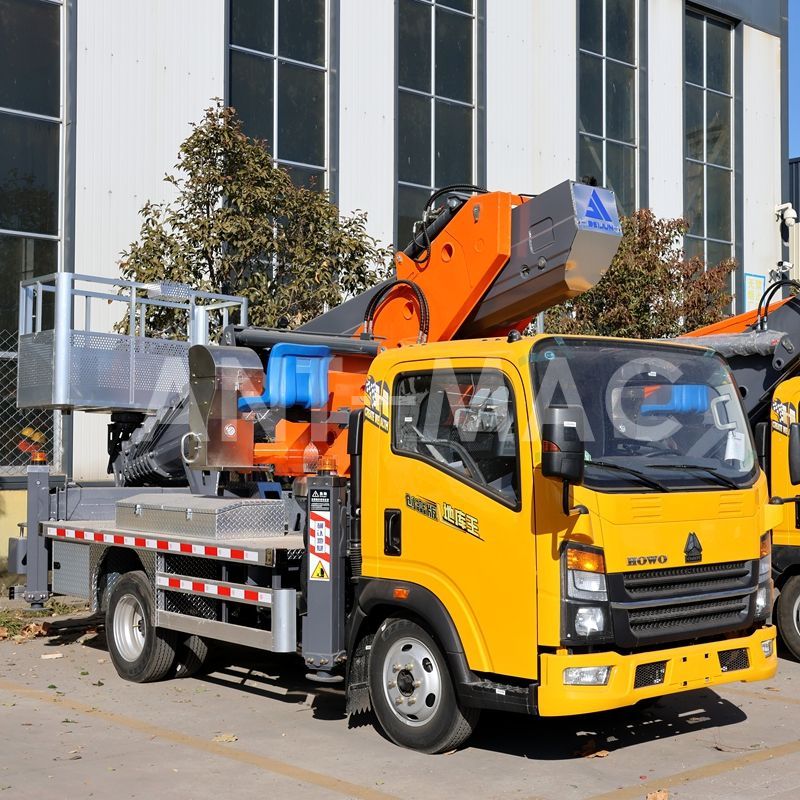 Ant-Mac Aerial Work Platforms
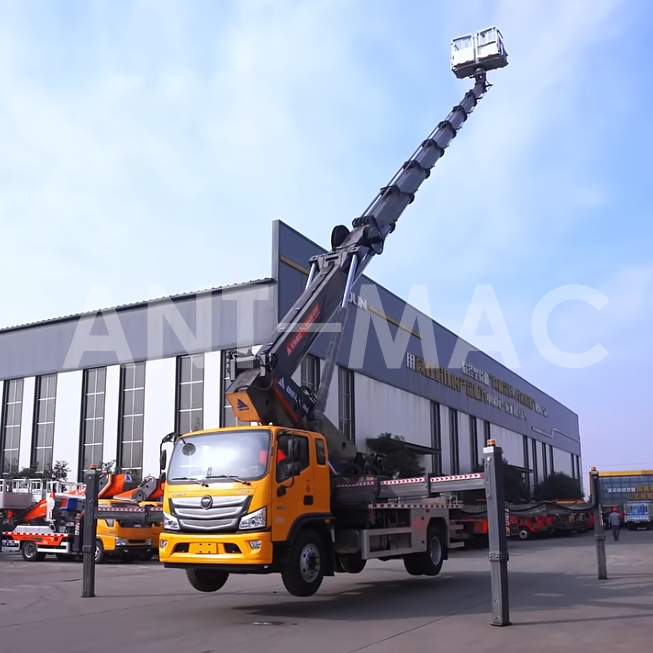 Global Aerial Work Platform Ma