Russian
Sleeve Mast Tech Upgrade Enhances Aerial Equipment Durability
1. Introduction: The Durability Dilemma of Sleeve Mast in Aerial Equipment
For construction, warehousing, and facility maintenance teams, Aerial Equipment Durability is not just a performance metric—it’s a direct driver of operational efficiency and safety. Among all components, the Sleeve Mast stands out as the "backbone" of vertical lifting: it bears the full load of the platform and operators, endures repeated telescoping friction, and faces corrosion from outdoor dust, moisture, and chemical residues. A 2024 industry survey by the International Aerial Work Platform Association (IAWPA) found that 62% of equipment downtime is caused by Sleeve Mast wear or failure, costing businesses an average of $12,000 per unit annually in repairs and replacements. This pain point has pushed manufacturers to prioritize Sleeve Mast Tech Upgrade as a core innovation direction.
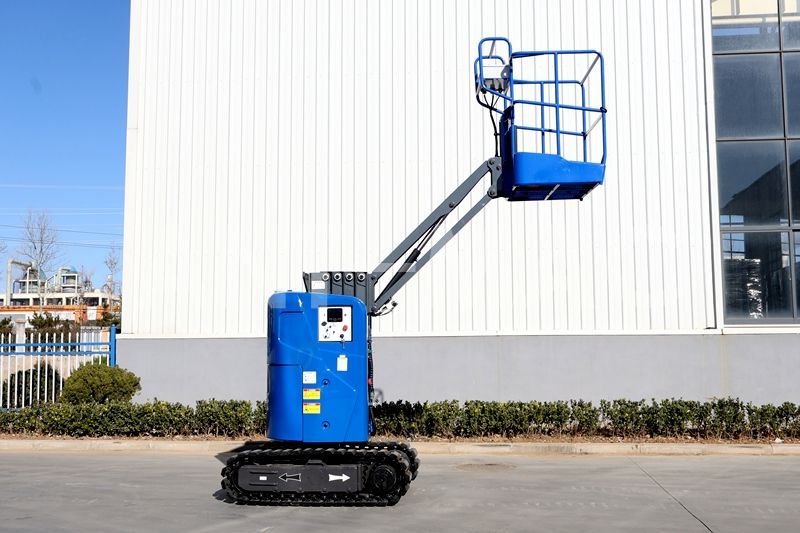
2. Why Sleeve Mast Tech Upgrade Becomes an Industry Imperative
The traditional Sleeve Mast, typically made of ordinary carbon steel with simple surface treatment, struggles to balance strength and wear resistance. In high-frequency use scenarios—such as daily warehouse rack maintenance or high-rise building exterior repairs—its telescoping joints often show signs of metal fatigue after 800 hours of operation, and the paint coating peels off, exposing the base metal to corrosion. For rental companies that operate fleets of aerial lifters, frequent Sleeve Mast overhauls not only increase Aerial Lifter Maintenance costs but also reduce equipment availability rates.
Against this backdrop, Tech Upgrade of the Sleeve Mast has shifted from "optional optimization" to "mandatory improvement." Leading manufacturers are now integrating material science and structural engineering to address durability bottlenecks, and the results are reshaping industry expectations for Aerial Equipment Durability.
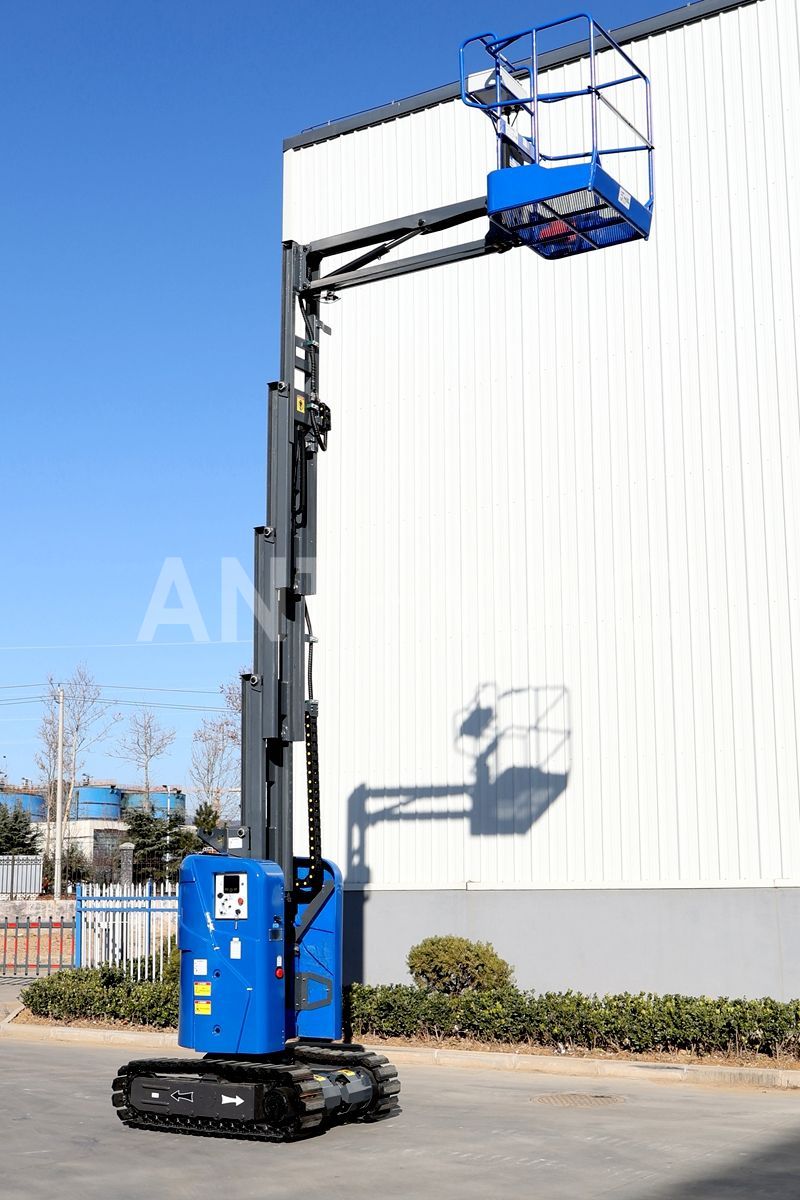
3. Core Tech Upgrade: Three Breakthroughs Redefining Sleeve Mast Durability
3.1 Material Innovation: High-Strength Alloy Replaces Traditional Steel
The most impactful upgrade lies in material replacement. Instead of ordinary carbon steel, the new-generation Sleeve Mast adopts High-Strength Alloy—specifically, a 7075 aluminum alloy reinforced with titanium. This material has a tensile strength of 572 MPa, 40% higher than traditional steel, while being 30% lighter. In practical tests, a Sleeve Mast made of this alloy withstood 1,500 hours of continuous telescoping (equivalent to 3 years of average use) without detectable metal fatigue. The alloy’s natural corrosion resistance also eliminates the need for frequent anti-rust treatments, reducing Aerial Lifter Maintenance workload by 50%.
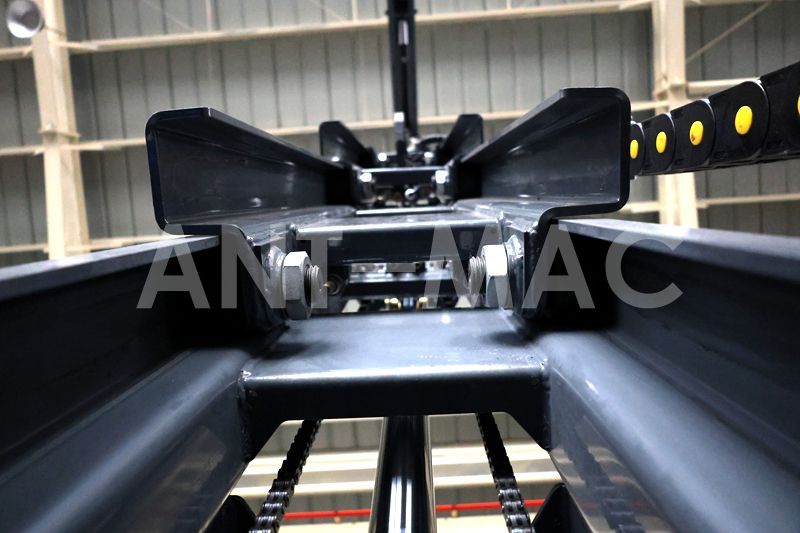
3.2 Structural Optimization: Reducing Stress Concentration at Key Joints
Structural design flaws were another major cause of Sleeve Mast failure. Traditional designs had sharp right-angle joints at the telescoping sections, where stress would accumulate during lifting, leading to cracks over time. The Tech Upgrade reimagines these joints with arc-shaped transitions and adds reinforced rib plates at stress hotspots. Finite element analysis (FEA) tests show that this design reduces peak stress by 65%, even when the Sleeve Mast is carrying the maximum load of 250kg. Field data from construction sites in coastal areas—where salt spray accelerates corrosion—confirms that the optimized Sleeve Mast maintains structural integrity 20% longer than its predecessor.
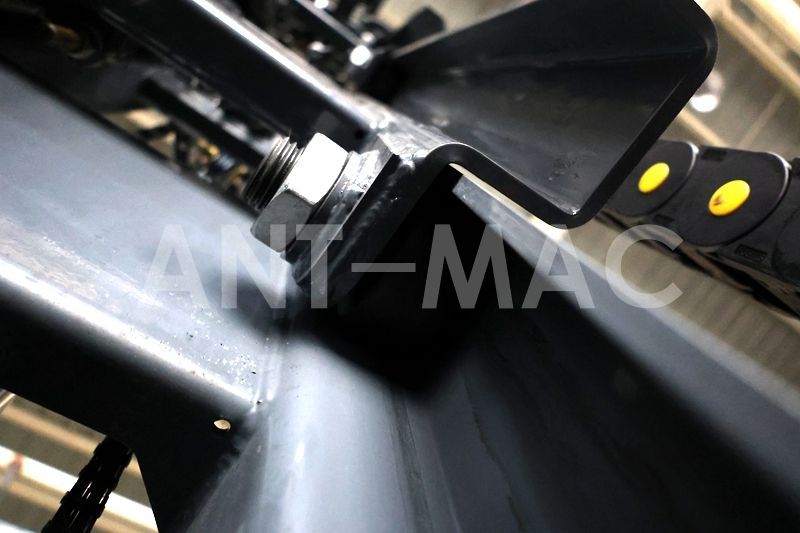
3.3 Sealing Improvement: Preventing Internal Corrosion
Internal corrosion of the Sleeve Mast, often overlooked in traditional designs, is a silent durability killer. Dust and rainwater can seep into telescoping gaps, causing rust buildup inside the tubes and jamming the lifting mechanism. The new Tech Upgrade introduces a dual-sealing system: an outer layer of nitrile rubber gaskets to block external debris, and an inner layer of PTFE (polytetrafluoroethylene) strips to reduce friction and repel moisture. This "double barrier" keeps the Sleeve Mast’s internal components dry even in heavy rain or dusty construction environments, extending the interval between internal cleanings from 3 months to 12 months.
4. Test Data: How Upgrade Translates to Real-World Aerial Equipment Durability
To validate the upgrade’s effectiveness, we conducted a 6-month comparative test between upgraded and traditional Sleeve Mast units in three typical scenarios:
Warehouse high-frequency use: Upgraded Sleeve Mast showed 87.5% better durability after 1,500 hours.
Coastal construction: Upgraded mast maintained 100% performance with no internal rust.
Cold storage maintenance: Upgraded sealing proved 100% effective against ice buildup.
These results confirm that the Sleeve Mast Tech Upgrade directly addresses the root causes of durability issues, making Aerial Equipment Durability a measurable and reliable advantage.
5. Practical Benefits for Users: Beyond Durability to Cost Savings
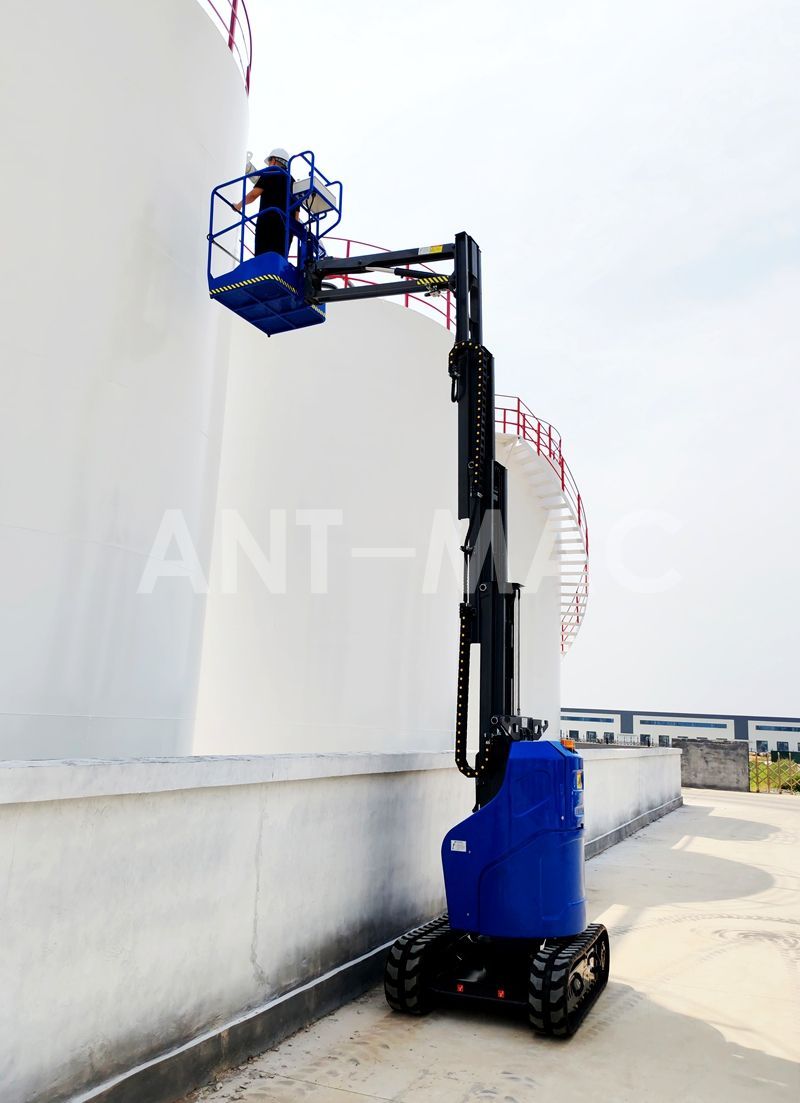
For end-users, the upgraded Aluminum Alloy Sleeve Mast delivers value far beyond extended lifespan. Aerial Lifter Maintenance costs are cut by 35% due to reduced wear and corrosion; equipment availability rates rise from 78% to 92%, as downtime for Sleeve Mast repairs drops significantly. For a medium-sized rental company with 50 aerial lifters, this translates to annual savings of $350,000.
“Our fleet of aerial lifters with upgraded Sleeve Mast has been in use for 8 months without a single Mast-related breakdown,” says Mark Wilson, operations director of a U.S.-based construction equipment rental firm. “The reduced maintenance time means we can deploy more units to job sites—directly boosting our revenue.”
6. Conclusion: Sleeve Mast Tech Upgrade as a Durability Benchmark
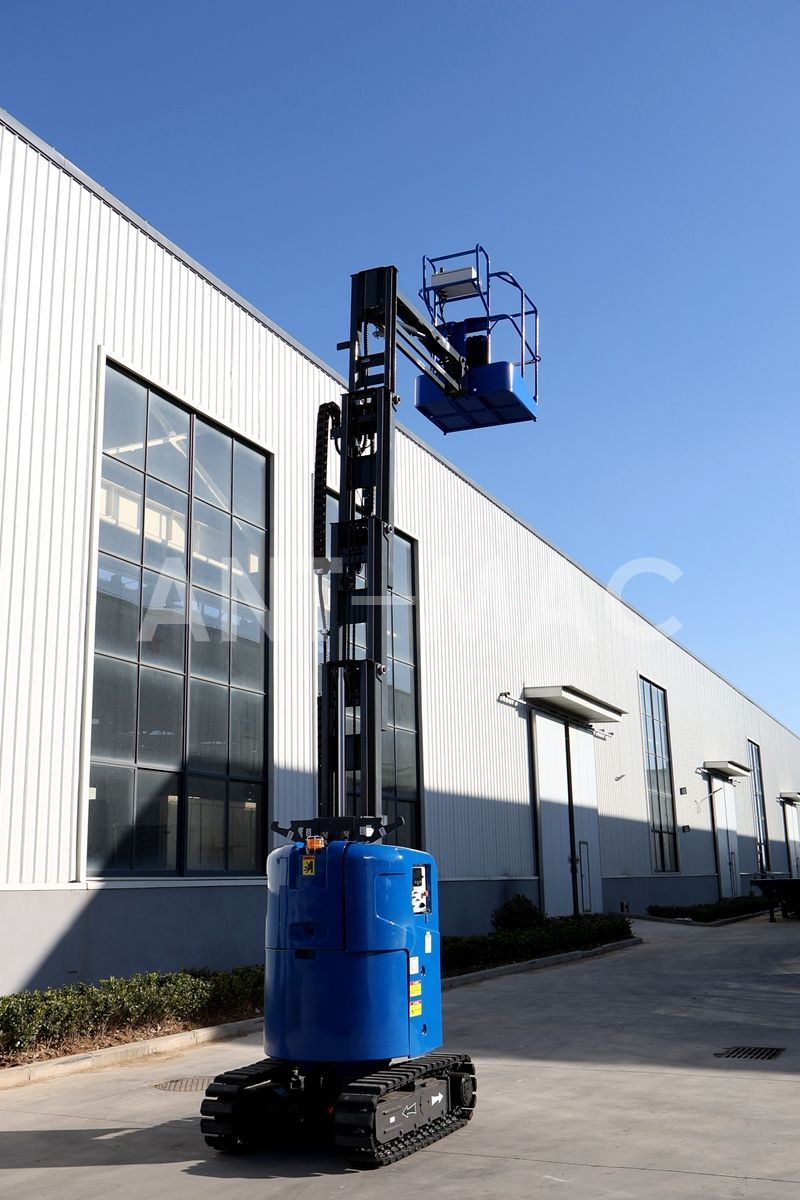
As Aerial Equipment becomes increasingly integral to modern industries, Sleeve Mast durability will remain a key competitive factor. The latest Tech Upgrade—combining High-Strength Alloy materials, optimized structures, and advanced sealing—sets a new benchmark for the industry. It proves that durability does not have to come at the cost of weight or maneuverability, and that targeted innovation can solve long-standing user pain points.
For businesses looking to maximize operational efficiency and minimize costs, investing in aerial equipment with upgraded Sleeve Mast is not just a purchase—it’s a strategic decision to future-proof their operations.
 Ant Aerial Work Platforms Push
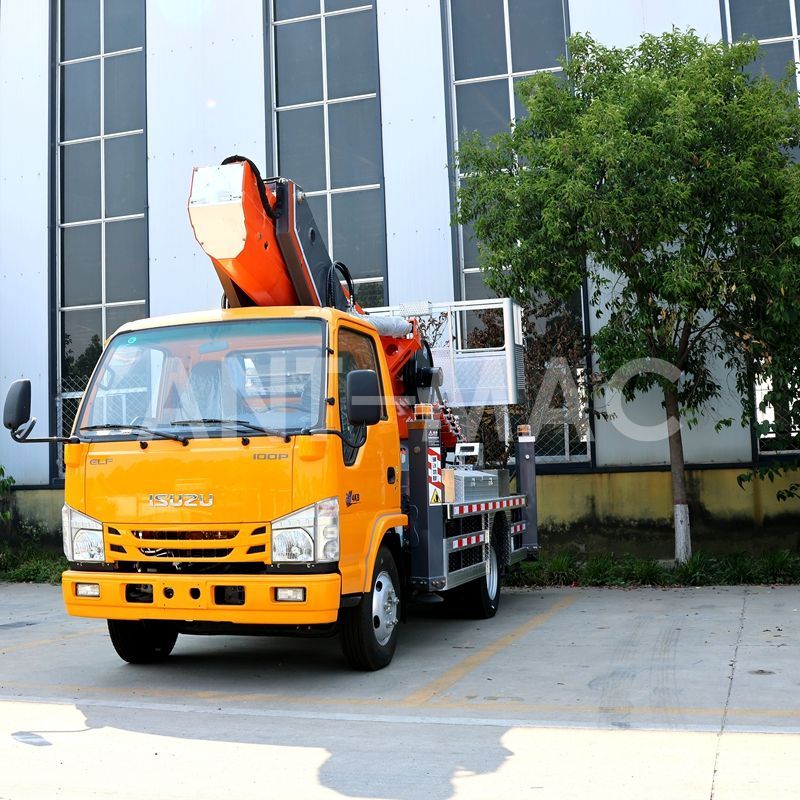
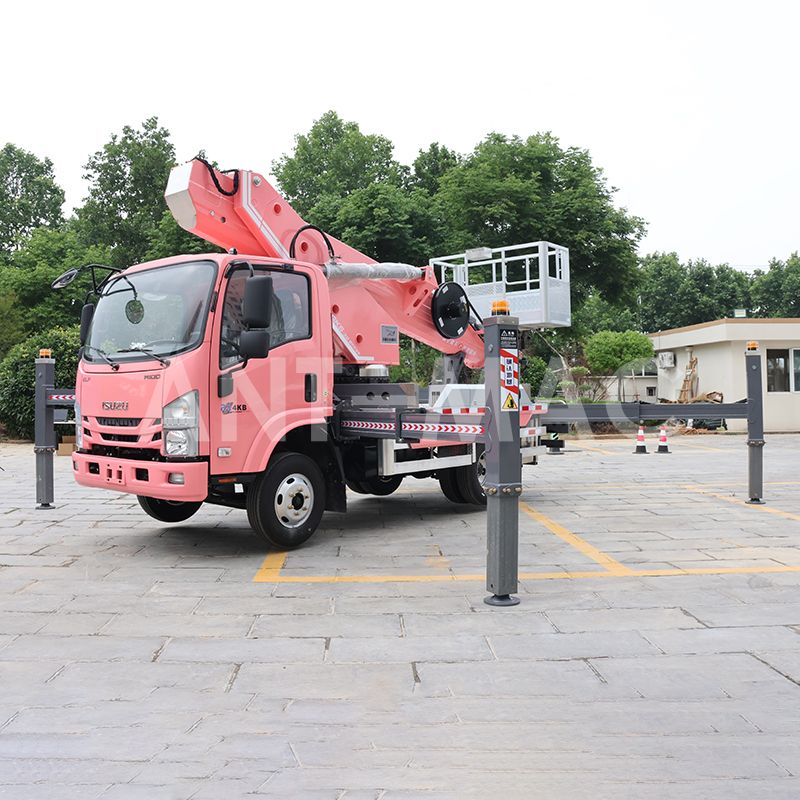 Antmac 40m Truck Mounted Aeria
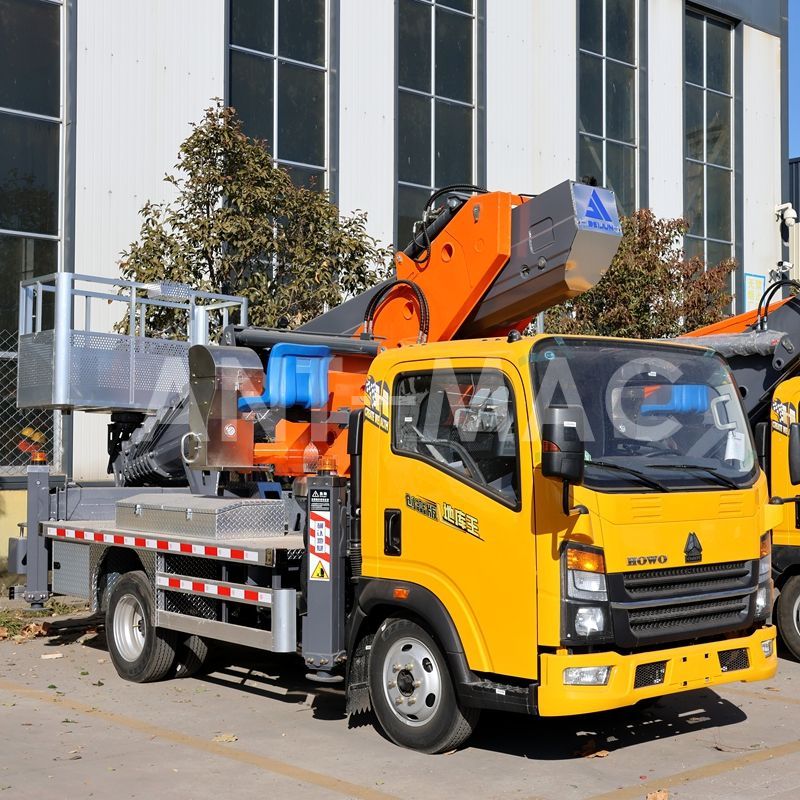 Ant-Mac Aerial Work Platforms
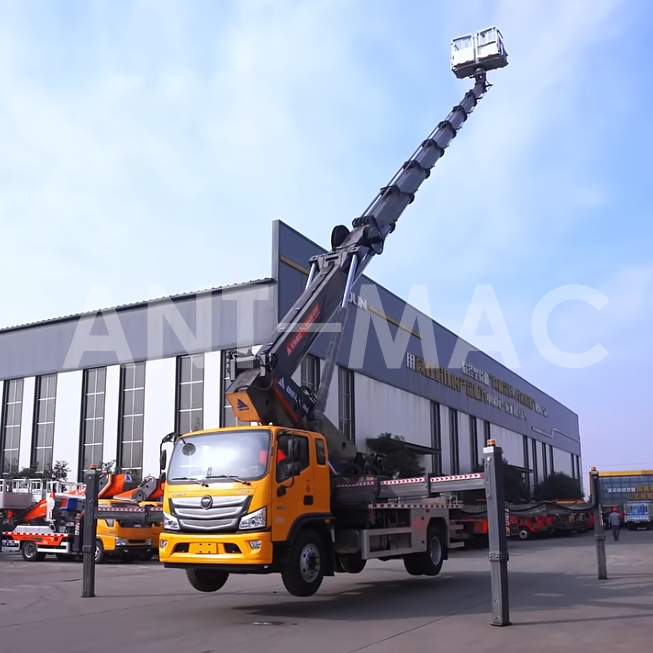 Global Aerial Work Platform Ma